Google Gemini Launches “Nano Banana” — The AI Editing Revolution
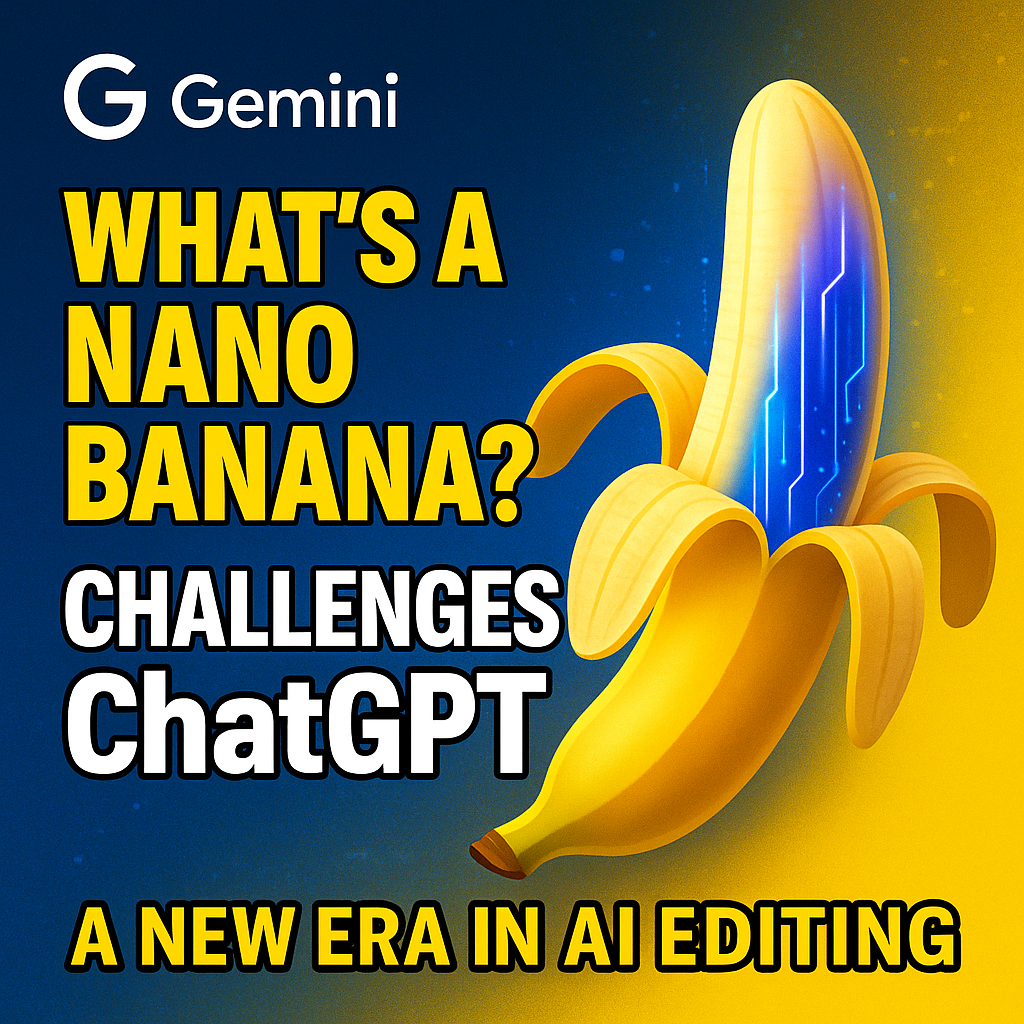
🧠 Google unveils its new image and video editing AI feature “Nano Banana,” boosting Gemini’s capabilities.
😱 It marks a shift from text-only AI models like ChatGPT to visually driven, interactive editing experiences.
❓ With real-time editing and object consistency, Nano Banana could reshape the creative AI landscape.
📑 Table of Contents
- 🎬 What Is “Nano Banana” and Why It Matters
- 🧩 Google’s Technical Edge
- 🚀 Competing with ChatGPT
- 💡 How It Transforms User Experience
- 📊 Key Insights & Market Impact
🎬 What Is “Nano Banana” and Why It Matters
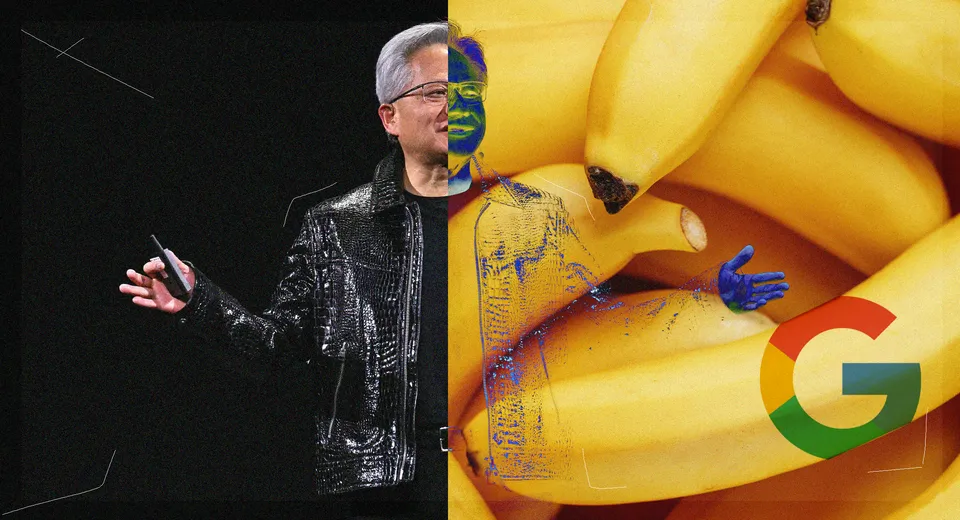
Google’s latest Gemini update introduces “Nano Banana” — an advanced AI system built on Gemini 2.5 Flash Image. Unlike earlier models that focused on generating static images, Nano Banana can edit, blend, and restyle images or video frames through natural language commands.
This new approach shifts Gemini from being a passive image generator to a real-time visual editor. Users can modify lighting, replace backgrounds, or merge multiple visuals while maintaining realistic object integrity.
Nano Banana is not just generative AI — it’s an interactive editing system capable of reshaping and refining existing media in real time.
🧩 Google’s Technical Edge
The standout feature of Nano Banana lies in its object consistency and multi-image fusion. It allows editors to modify scenes while keeping key visual details intact — such as a subject’s facial identity or an object’s texture — ensuring coherence across multiple edits.
Powered by GPU acceleration, the Gemini Flash Image model delivers lightning-fast rendering. Developers can integrate the same tools via Google AI Studio or Vertex AI API, enabling custom AI-based visual editing workflows.
| Category | Traditional Image AI | Gemini “Nano Banana” |
|---|---|---|
| Main Focus | Image Generation | Image & Video Editing |
| Output Type | Static Creations | Interactive Edits |
| Processing Speed | Moderate | GPU-Accelerated Real Time |
| Integration | Third-Party Apps | Native Gemini App |
Google positions Nano Banana as a real-time AI editor capable of adjusting faces, moods, and lighting through simple text prompts.
🚀 Competing with ChatGPT
So far, OpenAI’s ChatGPT has dominated generative AI through conversation and reasoning. Google, however, is now moving in a different direction — focusing on visual editing and content creation to attract designers, YouTubers, and digital artists.
By embedding Nano Banana directly inside the Gemini app, Google aims to make visual creativity as accessible as typing a sentence. This marks the start of a new competition: Language-driven AI vs. Vision-driven AI.
While ChatGPT focuses on text and reasoning, Google bets on visual interactivity — opening a new front in the AI race.
💡 How It Transforms User Experience
Nano Banana redefines how users interact with creative tools. Imagine typing, “Turn this background into autumn scenery,” and instantly seeing the change — or adjusting tone and color balance across multiple frames automatically.
This isn’t just for professionals; everyday users can benefit too. From social media creators to e-commerce sellers, Nano Banana democratizes editing by allowing AI-assisted visual control without needing design skills.
Nano Banana empowers creators and casual users alike — turning complex editing into a simple text-driven experience.
📊 Key Insights & Market Impact
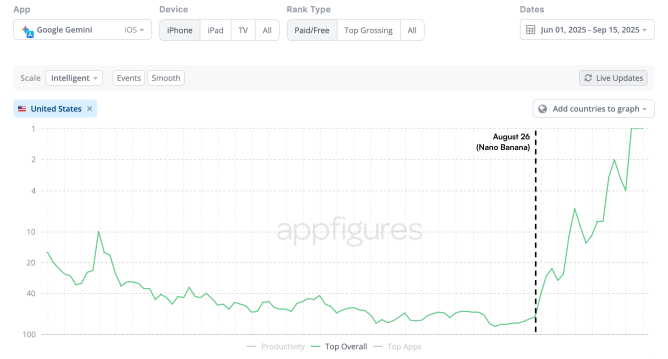
Currently, Nano Banana focuses on image-based editing, but analysts predict video editing will follow soon. Rather than mirroring ChatGPT’s text-first model, Google is building a visual AI ecosystem — one designed for content creation and multimedia industries.
This evolution signals a broader shift in AI: from language dominance toward a balance between seeing and speaking. For users, it means faster workflows; for businesses, a leap in productivity and visual branding.
Google’s Nano Banana sets the stage for a new AI era — where visual creativity rivals the influence of text-based intelligence.
Netflix Rules Korea’s Market — But Uber Is Knocking on the Door
Netflix Rules Korea’s Market — But Uber Is Knocking on the Door📌 3 Key Takeaways🧠 Netflix dominates Korea’s streaming market with massive local engagement.😱 Uber partners with Naver to challenge KakaoT’s near-monopoly in ride-hailing.❓ C
happy0702.tistory.com
The New Era of AI Dominance: OpenAI and AMD’s Strategic Alliance
The New Era of AI Dominance: OpenAI and AMD’s Strategic Alliance📌 3 Key Takeaways🤝 OpenAI and AMD have announced a large-scale partnership to build AI data centers powered by next-generation GPUs.⚙️ The deal challenges Nvidia’s dominance in t
happy0702.tistory.com
Rice Prices Break the Limit: Policy Missteps and Looming Risks
Rice Prices Break the Limit: Policy Missteps and Looming Risks📌 3-Line Summary🧠 Rice prices surpassed 60,000 KRW per 20kg, creating direct pressure on household costs😱 Government’s isolation policy backfired, accelerating the price surge❓ Will
happy0702.tistory.com
KOSPI Breaks 3,500, What It Means for Korea’s Stock Market
KOSPI Breaks 3,500, What It Means for Korea’s Stock Market📌 3-Line Summary🧠 The KOSPI broke above 3,500 for the first time, led by semiconductor stocks and foreign buying😱 The sharp rally raises the risk of a short-term pullback❓ Can the index
happy0702.tistory.com
🔖 Hashtags
#GoogleAI #Gemini #NanoBanana #AIEditing #VideoEditingAI #ImageEditing #ChatGPTRival #GenerativeAI #AIFeatures #VisualAI #GeminiUpdate #AIDesign #ContentCreation #AITrends2025 #GeminiFlashImage
'English' 카테고리의 다른 글
| Intrinsic Value Basics: How to Find a Stock’s Real Fair Price (1) | 2025.10.11 |
|---|---|
| Netflix Rules Korea’s Market — But Uber Is Knocking on the Door (1) | 2025.10.10 |
| The New Era of AI Dominance: OpenAI and AMD’s Strategic Alliance (0) | 2025.10.06 |
| Rice Prices Break the Limit: Policy Missteps and Looming Risks (1) | 2025.10.03 |
| KOSPI Breaks 3,500, What It Means for Korea’s Stock Market (0) | 2025.10.03 |


